


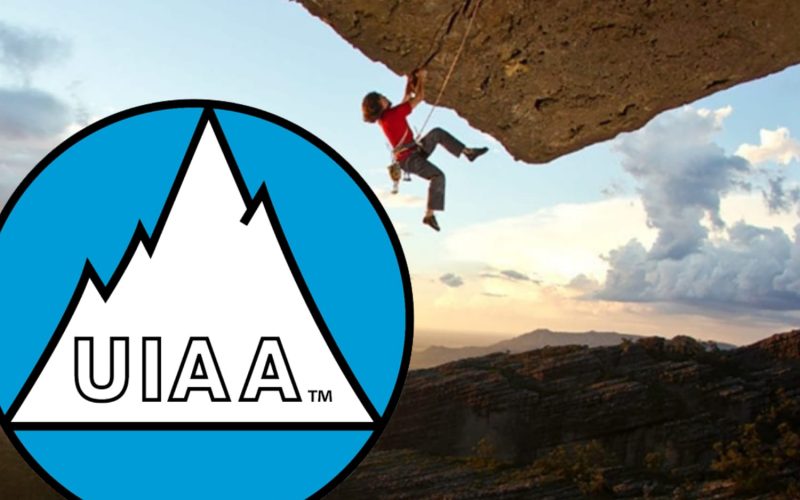
Rock climbing is a rapidly growing adventure sport practiced both recreationally and professionally around the world. It involves ascending, descending, or traversing rock formations using physical strength, movement skills, and specialized protective equipment. The primary objective is to reach the top of a route or summit safely and without falling.
Rock climbing includes several disciplines-such as sport climbing, traditional (trad) climbing, bouldering, and multi-pitch climbing-but all forms require navigating vertical terrain using precise movement, safety planning, and technical skills.
Essential Skills Required for Rock Climbing
Successful and safe climbing requires the following core competencies:
- Strong physical strength and endurance,
- Good coordination, flexibility, and body balance,
- Knowledge and use of ropes, harnesses, helmets, and protective devices,
- Efficient movement techniques for natural rock surfaces.
Fundamental Equipment Required
Most climbers preparing for outdoor rock climbing rely on these key items:
- Helmet: Protects against falling stones or accidental head impacts,
- Harness: Secures the climber to the rope and anchor system,
- Climbing Rope: Usually dynamic, designed to absorb the force of falls,
- Belay Device: Controls the rope when belaying or descending,
- Carabiners (lock and unlocking): Used as connectors between gear and anchor systems,
- Climbing Shoes: Purpose-built shoes that provide superior grip,
- Quickdraws and Protection Gear: Essential for lead or trad climbing,
- Chalk and Chalk Bag: Helps maintain grip by reducing moisture,
- Backpack or daypack: For carrying gear, food, and hydration.
Depending on climbing type, additional items may include slings, cams, nuts, static ropes, rappel-backup tools, and other safety devices.
How to Identify High-Quality Climbing Gear
Because safety depends heavily on equipment reliability, selecting verified and durable products is crucial. Key considerations include:
- Certification: Look for UIAA or CE-marked equipment,
- Strength Rating: Especially for carabiners and anchors (typically ≥20 KN),
- Rope Durability: Dynamic ropes with strong sheathing and appropriate diameter,
- Harness Comfort and Fit: Adequate padding, strong stitching, and multiple gear loops,
- Helmet Build Quality: Impact-tested design with secure adjustable straps,
- Smooth and secure: Lock & unlock carabiners.
Gear must be stored correctly, regularly inspected, and retired immediately if worn, damaged, or compromised.
Examples of Reliable and Popular Equipment Brands Among Climbers
Several widely recognized products for beginner-to-intermediate climbers include:
Harnesses: Black Diamond, Petzl, Mammut, Camp, Edelrid, La Sportiva, CAMP USA, Arc’teryx, Wild Country etc…
Belay Devices: Petzl (Reverso, GriGri series), Black Diamond (ATC series), Mammut (Smart series), Camp, Beal, Trango, Wild Country, Metoliu, AustriAlpin etc…
Climbing Shoes: La Sportiva, Scarpa, Five Ten, Butora, Tenaya, Boreal, So iLL, Mad Rock etc…
Helmets: Black Diamond, Petzl, Mammut, Camp, Grivel, Edelrid, Metoliu, CAMP USA etc…
Climbing Ropes: Tendon, Mammut, Petzl, Edelrid, CAMP USA, Sterling Rope, Maxim, BlueWater, Camp, Beal etc..
Carabiners / Quickdraws: Black Diamond, Petzl, Camp, DMM, Ocún, Wild Country, Metoliu, Metoliu, Trango etc…
Protection Gear (Trad Climbing): Black Diamond (Cams, Nuts), DMM (Hardware and nuts), Wild Country (Protection devices)
These brands are preferred by climbers because of:
✔ Proven safety standards
✔ Durability and reliability
✔ International certification (UIAA/CE)
✔ Comfort and usability
They are extensively utilized in indoor climbing facilities, sport routes, traditional climbing environments, and multi-pitch ascents worldwide. These products are consistently preferred due to their superior comfort, strong safety certifications, and proven reliability among climbers globally.
Common Mistakes to Avoid
Even with proper equipment, risk increases when climbers:
- Use helmets not certified for climbing
- Climb with non-climbing utility ropes
- Ignore signs of wear on harnesses, ropes, or metal gear
- Use poorly-fitted harnesses or shoes
- Fail to regularly inspect protective equipment and anchors
These mistakes directly compromise safety and increase accident potential.
Choosing Gear Based on
Indoor or Top-rope climbing: Harness, rope, belay device, shoes; helmet optional.
Outdoor climbing: Harness, Dynamic rope (9-10mm, 60-70 m), quickdraws, helmet, belay gear.
Trad or multi-pitch climbing: Additional nuts, cams, slings; extra carabiners; durable harness.
Note: Alpine or mixed climbing Ice gear, crampons, specialized helmets, gloves.
UIAA Safety Standards, Why They Matter
The International Climbing and Mountaineering Federation (UIAA) sets globally recognized safety specifications for climbing gear. The UIAA Safety Label confirms that products meet established requirements after undergoing strength, durability, impact, and structural testing Key UIAA standards include:
- UIAA 101: Dynamic ropes
- UIAA 105: Harnesses
- UIAA 106: Helmets
- UIAA 121: Connectors (carabiners, anchors, quickdraws)
- UIAA 102-104: Slings, cords, and webbing
Climbers are strongly advised to prioritize gear featuring these certifications to minimize risk and increase safety.
Why UIAA-Certified Equipment is Important – Especially in Developing Markets
In many developing markets, uncertified or low-grade equipment is still widely available. UIAA-approved gear acts as a verified benchmark for quality, especially where regulatory oversight is limited.
Using UIAA-certified equipment:
- Reduces the risk of catastrophic gear failure
- Ensures internationally tested quality standards
- Reflects updated safety knowledge based on real climbing accidents
- Helps standardize best practices, whether climbing in Nepal, the Alps, or other global destinations
Rock climbing continues to expand worldwide as an exciting discipline that combines athleticism, adventure, and technical skill. As participation increases, knowledge of proper equipment selection and adherence to UIAA-based safety requirements remain essential for keeping climbers safe while enabling exploration of challenging vertical terrain.


