


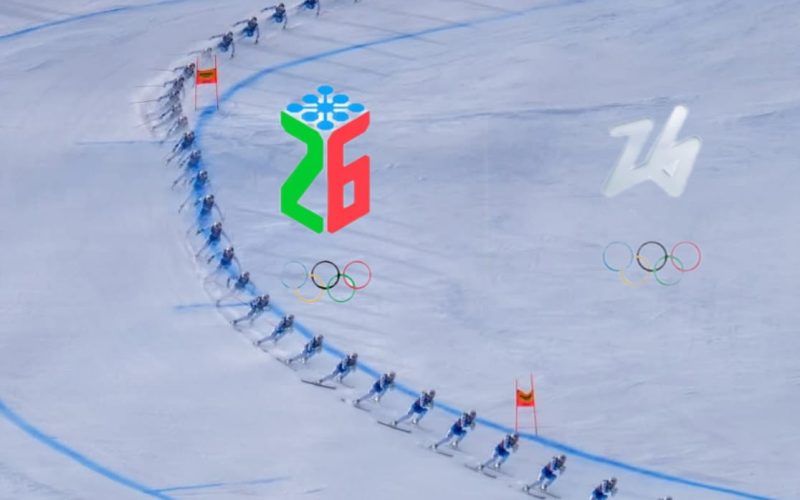
The XXV Olympic Winter Games, set to take place from February 6–22, 2026, in Milano and Cortina d’Ampezzo, mark a major implementation of the International Olympic Committee’s Agenda 2020 reforms and the ‘New Norm’ model. The organizing strategy of the Fondazione Milano Cortina 2026 emphasizes sustainability and cost efficiency, with approximately 85% of venues utilizing existing infrastructure. Spanning more than 22,000 square kilometers across Northern Italy, the event is on track to become the most geographically dispersed Winter Olympics in history.
However, the wide distribution of venues-while reducing the need for new construction-has significantly heightened logistical and operational risks. Two areas have emerged as principal concerns. The first is the delayed construction of the Santagiulia Ice Hockey Arena in Milan, the primary venue for men’s ice hockey. The project is running well behind schedule, forcing test events to be postponed until January 2026. The organizing committee has repeatedly stated that there is “no plan B,” placing substantial operational and financial pressure on the arena’s on-time completion.
In the mountain cluster of Cortina d’Ampezzo, transport infrastructure challenges are intensifying. The postponement of a crucial cable car project has already led organizers to reduce available ticket allocations by 15% to manage anticipated congestion, raising additional concerns about spectator flow and inter-venue mobility during the Games.
Financially, the event’s operating budget has been revised upward to roughly €1.7 billion-an increase of €100 million, or 7%. The adjustment reflects escalating expenses tied to coordinating a highly complex, decentralized Olympic footprint. This operating budget is separate from the substantial government-backed capital investments earmarked for transport and regional development.
Despite mounting operational pressures, the Games continue to align strongly with long-term regional development objectives. Key legacy initiatives include plans to convert the Milan Olympic Village into student housing and targeted investments aimed at addressing population decline in Alpine communities.
As the countdown to the Opening Ceremony accelerates, stakeholders are urged to prioritize the mitigation of immediate risks-particularly venue delivery and inter-cluster transportation-to ensure smooth and successful Games execution.
This Winter Olympics will feature 16 sporting disciplines, showcasing a blend of tradition, athletic excellence, and thrilling high-altitude competition. Each discipline brings its own unique challenges and appeals, reflecting the diversity of winter sports on the global stage.
1. Alpine Skiing
Alpine skiing returns with high-speed downhill races across steep, icy slopes. The discipline includes technical and speed events such as slalom, giant slalom, downhill, and super-G.
2. Biathlon
Combining endurance and precision, the biathlon merges cross-country skiing with rifle shooting. Athletes race across long snowy trails and must deliver accuracy at designated shooting points.
3. Bobsleigh
Bobsleigh teams navigate aerodynamic sleds down an icy track at extraordinary speeds. Events include the traditional two-man, four-man, and the women’s monobob categories.
4. Cross-Country Skiing
A test of stamina and technique, cross-country skiing covers a range of long-distance formats, including sprint events, mass starts, skiathlons, and team relays.
5. Curling
Known for its strategic depth, curling involves teams sliding polished granite stones toward a target on ice. Precision, communication, and tactical planning define the sport.
6. Figure Skating
Figure skating blends athletic skill with artistry as competitors perform choreographed routines featuring jumps, spins, and lifts. The discipline includes singles, pairs, and ice dance events.
7. Freestyle Skiing
Freestyle skiing showcases aerial skill and creativity. Events include moguls, aerials, halfpipe, ski cross, slopestyle, and big air, each emphasizing dynamic movement and technical difficulty.
8. Ice Hockey
One of the most anticipated team events, ice hockey presents fast-paced, high-intensity competition on the rink. Both men’s and women’s tournaments highlight speed, strength, and strategy.
9. Luge
In luge, athletes race feet-first on a small sled, descending a narrow ice track at speeds exceeding 130 km/h. Precision and fearlessness are essential.
10. Nordic Combined
Nordic combined integrates ski jumping and cross-country skiing. Competitors first score points through their jumps, then complete a ski race based on their jumping performance.
11. Short-Track Speed Skating
This discipline features rapid-fire races on a tight oval track. Known for sharp turns and dramatic overtakes, short-track skating demands exceptional agility and control.
12. Skeleton
Skeleton athletes race head-first down an icy track on a lightweight sled. The sport is regarded as one of the most adrenaline-charged events of the Winter Games.
13. Ski Jumping
Ski jumping challenges competitors to achieve both maximum distance and flawless form as they launch off towering ramps, gliding through the air before landing.
14. Ski Mountaineering (New for 2026)
Making its Olympic debut, ski mountaineering features athletes climbing steep mountain terrain on skis before descending at speed. The discipline includes individual and sprint formats.
15. Snowboarding
Snowboarding brings a mix of style and athleticism across events such as halfpipe, slopestyle, big air, snowboard cross, and parallel giant slalom.
16. Speed Skating
Speed skating tests athletes on a long oval track, where competitors aim for the fastest time over distances ranging from 500 m to 10,000 m.